How to Clean a Rubber Backed Carpet Mat
- By Layer5 Solutions
- Oct 21, 2020

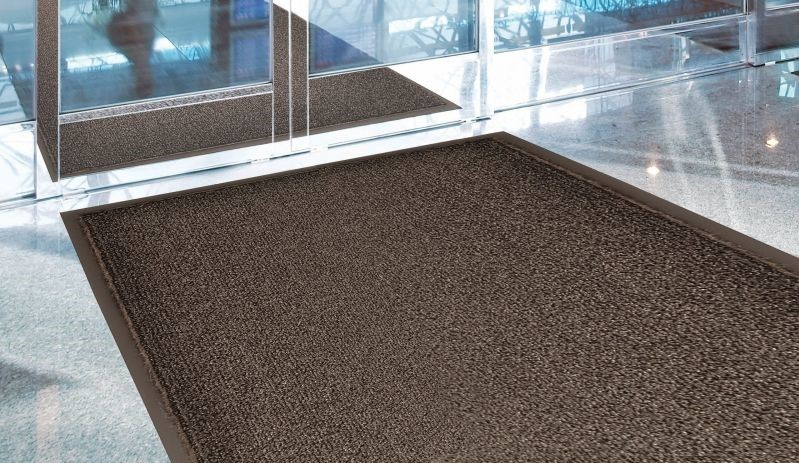
NoTrax® entrance mats and carpet mats are often the last line of defense between dirt and debris and your home or office. Designed to remove dirt and moisture from shoes and prevent it from entering your building, rubber backed mats are also economical and allow your facilities a professional appearance.
Why Do I Need Carpet Mats?
Did you know as much as 80% of interior soil is brought into a facility via foot traffic?
Dirt, dust, and chemicals can all be tracked indoors on shoes, not only does this contaminate your facility, but it can also contaminate the air quality as well. By catching the contamination at the door, you reduce the amount of allergens that can be stirred up by sweeping and vacuuming.

It’s not just about dirt and debris, the entrance to your home or work is often the most heavily traveled area. Carpet mats can help to keep floors intact and protect them from dents, dings, and scratches, as well as increase the longevity of your floors by reducing the wear-and-tear accumulated by normal travel.
The NoTrax lineup includes a variety of rubber backed carpet mats for commercial, industrial, and residential use. These rubber backed floor mats can be placed inside or outside and while these popular mats offer a convenient solution for helping keep facilities clean, they themselves must be cleaned regularly.
Cleaning Rubber Backed Carpet Mats
Keeping your rubber backed carpet mats clean will help them perform their best and capture a maximum amount of dirt and debris.
While cleaning methods and regularity will largely depend on the environment, traffic, and usage, the first step is to routinely sweep mats with a push broom. This will loosen the dirt and debris caught in the mat allowing easier collection. For heavily soiled mats or for a more deep cleaning remove the mat and place it outside. Scrub the mat with water and a mild pH neutral detergent. 
Once thoroughly scrubbed, your mat can be rinsed with regular hose water. When using a hose it is important to not exceed 500 psi or water temperatures greater than 160°F. Exceeding these limits can cause damage to your mat unless specifically noted otherwise on the mat you are using. Once the mat is thoroughly cleaned you can use a mat rack, hang dry, or simply lie the mat back on a flat surface to dry.
How Not to Clean a Rubber Backed Mat
While cleaning seems easy, there are some methods you should steer clear of when cleaning your mats. You should never use bleach or any Butyl-based degreaser on your mats, regardless of where the mat is used.
Using these products will void your mat’s warranty. Likewise, exposing the mat to chemicals other than those the mat is designed for can lead to premature deterioration and adversely impact the service of the mat. Over time rubber mats experience natural wear and tear. When chips, cracks, or curls prevent a mat from serving its purpose or laying safely and flush to the ground, it is time to get a replacement.
-
 Master Trax® LiteMedium traffic oversized entrance where multiple mats is not desirableModel No: 371Starting at $ 14.00
 -
 Brush Step®Ribbed pattern entrance mat for cleaning the bottom of shoesModel No: 109Starting at $ 18.90
 -
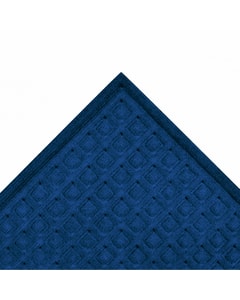 Waffle CTE™Waffle pattern that is raised and crushproof for light trafficModel No: 152Starting at $ 22.00