Winterize Your Business: Avoid The Top 5 Risks to Businesses During Winter
- By Layer5 Solutions
- Oct 8, 2020

Winter weather can be a nightmare for businesses. In addition to preventing employees from getting to work, inclement weather also poses a significant threat to your building. From roof collapses to slip and fall accidents, it’s not uncommon for businesses to suffer a financial blow from winter weather damages.
Unfortunately, not only does fixing weather-induced building damages eat a chunk of your emergency fund, but it also can cause damage to internal assets, including computers, furniture, machinery, and more. Injuries from people on your building can also result in costly lawsuits. To avoid all of these problems, here are some of the main issues that result from inclement weather and how you can secure your building to prevent them.
Pipe Damage from Freezing Temperatures
As the temperature drops, pipelines are usually one of the first building fixtures to suffer. Any water left in the pipe freezes, and as the water molecules expand, the pressure in the pipe builds until it eventually bursts.
The average cost to repair just one foot of a burst pipe is around $200, and additional water damage clean up may cost anywhere from $1,000 to $2,000. To prevent your pipelines from bursting, be sure to insulate any pipelines exposed to colder temperatures with foam pipe sleeves. Keeping a steady flow of water through the pipelines will also prevent the water from freezing.
Slips and Falls on Wet Slick Entryways
Even if your property isn’t damaged, injuries on your property can cost you thousands of dollars in legal fees if you’re liable.
In fact, OSHA reports that employers pay almost $1 billion per week in direct workers' compensation costs alone, including medical expenses and legal services. Fortunately, preventing slip and fall accidents caused by winter weather is easy. Purchase quality mats and place them at the entrances of your building, in the hallways, and even on sidewalks to reduce injury.
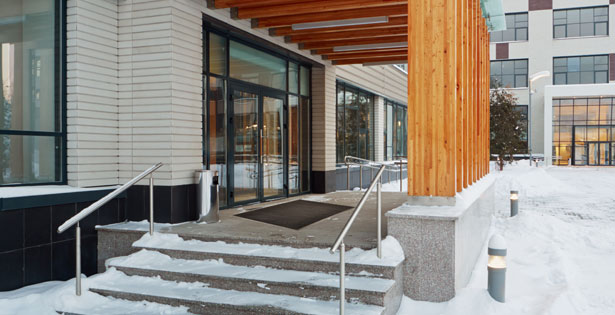
Indoor and outdoor mats for snow and ice can help contain water and avoid it from spreading across flooring that becomes slippery when wet. Without entrance matting, a business will have to continuously battle cleaning ice melt off floors. Any lapse in this type of routine maintenance would undoubtedly increase the risk of slips and falls.
These entry mats also act as carpet protectors that not only keep moisture out but also all that dirt and grime that gets tracked in on snow-covered boots. While not associated with personal injury, it’s worth noting that the wear and tear from tracking snow and debris inside will ultimately lead to an added cost to building owners by way of cleaning and replacing carpeting more often.
In addition to outdoor winter doormats, purchasing rock salt to melt snow and ice is another excellent way to prevent slip and fall accidents.
Roofing Hazards Caused By Snow and Ice Accumulation
One of the biggest concerns for most business owners during inclement weather is having a roof collapse. This is particularly problematic for older buildings and buildings with flat roofs.
As winter approaches, check that the roof is clear of any excess debris that could add weight to the roof, such as leaves. You should also check that the roof is properly insulated, as this will help the snow melt faster. Once the snow melts, be sure that the gutters are working correctly so that the water runs off smoothly. It’s also essential to have your roof regularly inspected by a professional before winter sets in and after a heavy snowfall.
Power Outages Due to Winter Storms
The Federal Emergency Management Agency predicts that 70 percent of businesses will experience a power outage during the year. While your employees likely won’t be working if a power outage occurs, it can still cause problems within the building.
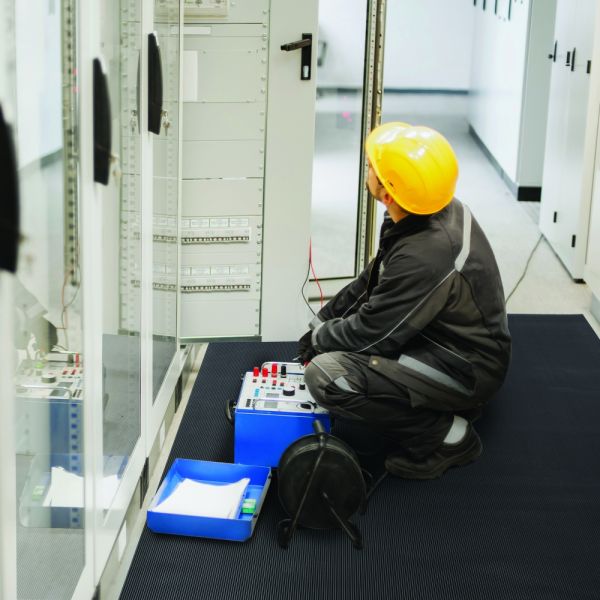
First, any data that was not properly saved before the outage will be lost. Talk to employees to be sure that data is backed-up before the storm. When the power comes back on, electrical surges can also damage electronics, so talk to an electrician and invest in surge protecting power strips. Ultimately, the best solution to preventing a power outage is to have a reliable generator that will keep the building running through the storm.
Prepare for Flooding After Snow Melt or Excessive Rain
Finally, another risk that your business will face after a snowstorm is flooding. As the snow melts, be sure that you have clear drainage paths open. If you have levels below ground, you may consider installing a sump pump to help alleviate excess water.
Cracks in the building’s walls or foundation can also cause indoor flooding in the aftermath of a snowstorm. Hairline cracks are typically harmless, though if they expand to be equal to or greater than 1/8th of an inch wide, you should have them sealed. Removing snow as quickly as possible from the building is ultimately the best way to protect yourself from snowmelt.
Ensure Your Business Is Prepared to Weather the Winter
By taking these steps, you'll be able to significantly minimize your risks during the winter months, though it's still a good idea for the business to have extra cash in the emergency fund. How fast you repair damages will greatly affect your business's recovery as it will directly impact when employees can return to work.
Start talking to safety experts and contractors now to ensure that your building is prepared for a winter storm. Or, you can browse our lineup of winter weather products and accessories.
Entrance Mats & Accessories for Winter Weather
-
 Rubber Brush™
Outdoor entrance mat with flexible fingers to remove dirt and debris
Model No:
345
Starting at
$ 34.00
Rubber Brush™
Outdoor entrance mat with flexible fingers to remove dirt and debris
Model No:
345
Starting at
$ 34.00
-
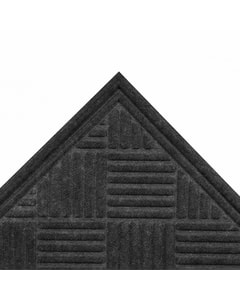 Diamond CTE™
Diamond pattern that is raised and crushproof for light traffic
Model No:
151
Starting at
$ 23.00
Diamond CTE™
Diamond pattern that is raised and crushproof for light traffic
Model No:
151
Starting at
$ 23.00
-
 Barrier Rib™
Cross-rib molded pattern carpet mat with anti-microbial treatment
Model No:
161
Starting at
$ 83.00
Barrier Rib™
Cross-rib molded pattern carpet mat with anti-microbial treatment
Model No:
161
Starting at
$ 83.00
-

Related Reading
-
Rubber Brush™Outdoor entrance mat with flexible fingers to remove dirt and debrisModel No: 345Starting at $ 34.00
-
Diamond CTE™Diamond pattern that is raised and crushproof for light trafficModel No: 151Starting at $ 23.00
-
Barrier Rib™Cross-rib molded pattern carpet mat with anti-microbial treatmentModel No: 161Starting at $ 83.00
-